
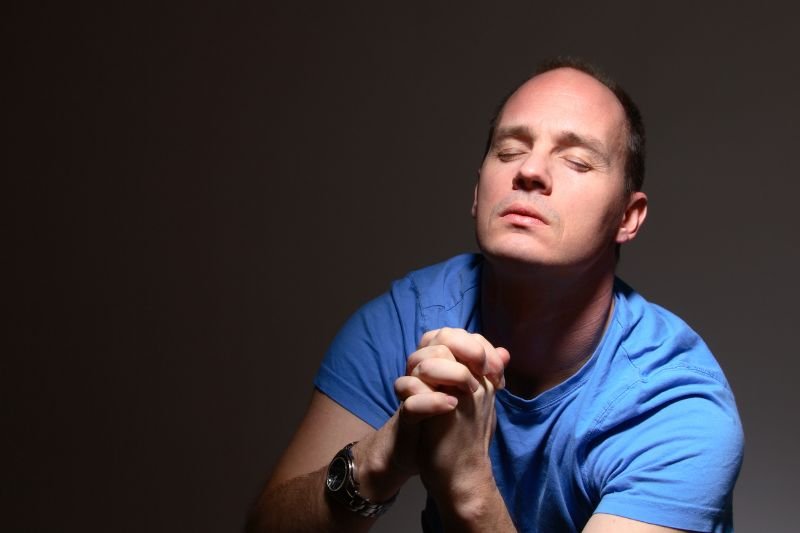
An intercessor plays a vital role in spiritual life. They stand in the gap, praying on behalf of others. Intercession is more than asking for personal needs; it is focused prayer for others’ benefit. Intercessors act as advocates before God, seeking guidance, protection, and blessings for individuals, communities, or nations.
Their work requires dedication, faith, and humility. Understanding who an intercessor is and what they do helps believers see the power of prayer beyond themselves. This article explores the identity, examples, and role of intercessors in both biblical times and today.
Who is an Intercessor?
An intercessor is a person who prays on behalf of others, taking their needs, struggles, and requests to God. Unlike regular prayer that often focuses on personal concerns, intercession involves standing in the gap between God and those who need help. This role requires a heart willing to carry burdens not one’s own and a faith strong enough to believe in God’s power to change situations. Intercessors act as spiritual advocates, bringing the needs of individuals, communities, or nations before God. Their commitment often includes persistent prayer, seeking God’s mercy, guidance, and intervention for others. Intercessors play a key role in the spiritual well-being of the church and the world.
#1. Moses (Exodus 32:11-14)
Moses is one of the most well-known intercessors in the Bible. When the Israelites disobeyed God by making and worshipping a golden calf, God’s anger was kindled against them. Moses stepped forward and pleaded with God to spare the people from destruction. He reminded God of His promises and reputation among the nations. Moses’ prayer showed boldness and compassion. He was willing to bear the consequences himself if it meant saving the people. This act highlights the heart of an intercessor—standing in the gap and pleading for mercy on behalf of others.
#2. Abraham (Genesis 18:22-33)
Abraham’s intercession took place when God revealed His plan to destroy Sodom and Gomorrah because of their great sin. Abraham courageously asked God to spare the cities if even a few righteous people were found there. He bargained with God, starting with fifty righteous people and gradually lowering the number to ten. Abraham’s prayers reveal a deep concern for justice and mercy. His persistence and respectful approach show how intercessors pray earnestly while trusting in God’s fairness and compassion.
#3. Samuel (1 Samuel 7:5-11)
Samuel served as a prophet and judge over Israel during a difficult time of spiritual decline and external threats. When the Philistines threatened Israel, Samuel called the people to repentance and prayed on their behalf. Through his intercession, God answered by delivering Israel from their enemies. Samuel’s example shows that intercessors can lead communities in prayer and spiritual renewal. His role as a leader and prayer warrior was critical to the nation’s survival and revival.
#4. Daniel (Daniel 9:3-19)
Daniel was deeply burdened for his people who were in exile. He prayed with fasting and repentance, confessing not only his own sins but also those of Israel. Daniel asked God to forgive the people and restore Jerusalem. His prayer was long, humble, and full of faith in God’s mercy. Daniel’s example teaches that intercessors often carry the weight of corporate sin and seek God’s forgiveness and restoration for others.
#5. Jesus Christ (Hebrews 7:25; John 17)
Jesus is the perfect example of an intercessor. As the eternal high priest, He continually intercedes for believers before God. In John 17, Jesus prays for His disciples and all who will believe through their message. He asks for their protection, unity, and sanctification. Hebrews 7:25 emphasizes that Jesus saves completely those who come to God through Him, always living to intercede. Jesus’ intercession is powerful and ongoing, showing the ultimate expression of love and advocacy for others.
#6. Paul the Apostle (Ephesians 1:15-23; Romans 8:34)
Paul’s letters reveal his constant prayers for the spiritual growth and strength of the early churches. He interceded on behalf of believers, asking God to fill them with wisdom, hope, and power. Paul also affirms that Christ intercedes for believers, highlighting the partnership between Christ’s heavenly intercession and the prayers of God’s people. Paul’s example encourages intercessors to pray with faith and confidence, trusting God to work through their prayers.
#7. Job (Job 42:7-8)
After Job’s trials, God instructed him to pray for his friends who had misrepresented God’s character. Job’s intercession led to their forgiveness and restoration. This shows the healing power of intercessory prayer, especially in restoring relationships. Job’s example reveals that intercessors may also pray for reconciliation and peace among others, not just for physical or spiritual needs. His role demonstrates how intercession can bring about restoration and blessing for those involved.
Characteristics of an Intercessor
Intercessors embody specific qualities that equip them to faithfully and effectively pray for others. These characteristics help them stay steadfast in their calling, especially when prayer outcomes are not immediate or obvious. Each trait contributes to the strength and depth required for true intercessory prayer.
#1. Compassionate Heart
A compassionate heart is the foundation of an intercessor’s life. This compassion means deeply caring about the struggles and needs of others. It is not merely a feeling but a motivating force that moves the intercessor to act in prayer. Their empathy allows them to carry the burdens of others, whether individuals, communities, or entire nations. Without compassion, intercession becomes mechanical; with it, prayer becomes powerful and personal.
#2. Persistent Prayerfulness
Persistence defines an intercessor’s prayer life. They understand that answers to prayer may take time, but they do not give up. Persistent prayer means continually bringing concerns before God, even when results are delayed or invisible. This unwavering commitment is often what makes the difference in spiritual breakthroughs. Intercessors are like spiritual marathon runners, enduring through seasons of silence and waiting.
#3. Strong Faith and Trust in God
Faith is essential for intercession. Intercessors must believe in God’s ability and willingness to act. This trust does not waver, even when situations look impossible or prayers seem unanswered. A strong faith empowers intercessors to pray boldly and confidently, knowing that God hears and responds. Their trust is rooted in God’s nature as loving, just, and all-powerful.
#4. Humility and Selflessness
Intercession requires humility because it is not about the intercessor’s desires or recognition. True intercessors pray without seeking personal gain or applause. They accept that their role is often hidden and unacknowledged. Selflessness means putting others first and being willing to serve quietly. Humility opens the heart to God’s leading and allows intercessors to persevere without pride or bitterness.
#5. Spiritual Discernment
Spiritual discernment enables intercessors to sense the needs beyond what is visible. It helps them understand God’s will and the spiritual dynamics at play. Discernment guides their prayers to be specific and effective. It also protects them from distractions and spiritual deception. Through prayer and relationship with God, intercessors develop this sensitivity to the spiritual environment.
#6. Commitment to Others’ Well-being
Intercessors are deeply committed to the well-being of those they pray for. This commitment extends to physical healing, emotional peace, spiritual growth, and overall restoration. It drives them to continue praying even in difficult or discouraging circumstances. Their dedication reflects a genuine desire to see others flourish and experience God’s blessings.
#7. Patience and Endurance
Intercessory prayer is often a long-term effort. Results may not come quickly or as expected. Intercessors must exercise patience, enduring through times of delay, opposition, or spiritual battle. Their endurance keeps them faithful when prayers seem unanswered or when challenges arise. Patience strengthens their spiritual resolve and trust in God’s timing.
#8. Deep Love for God and People
A deep love for God fuels the intercessor’s prayers. This love inspires obedience and a sincere desire to see God’s will accomplished. At the same time, intercessors love people enough to stand in the gap for them. Their prayers express this dual love—devotion to God and concern for others. This love sustains them through difficult times and empowers their intercession.
#9. Willingness to Sacrifice
Intercession often involves sacrifice. This may mean giving up personal time, comfort, or energy to pray for others. Some intercessors also face spiritual or emotional challenges as they carry heavy burdens. A willingness to sacrifice shows commitment and dedication. Intercessors accept these costs because they value the lives and needs of those they pray for above their own convenience.
#10. Boldness in Approaching God
Despite their humility, intercessors approach God’s throne with boldness and confidence. They know God invites them to come freely and ask for His intervention. This boldness is not arrogance but a trust in God’s goodness and promises. It enables intercessors to make specific requests, confront spiritual strongholds, and persist in prayer without fear. Boldness ensures that their prayers are powerful and effective.
The Role and Purpose of an Intercessor Today
In today’s world, the role of an intercessor remains as important as ever. Intercessors act as spiritual pillars, supporting the church and society through prayer. Their purpose goes beyond individual requests; they stand in faith to influence communities, leaders, and entire nations. The power of intercession brings spiritual strength, healing, and guidance where it is most needed. Understanding this role highlights how prayer can shape lives and circumstances beyond the immediate and visible.
#1. Advocating Spiritually for Others
Intercessors serve as advocates before God, representing the needs of others who may not be able to pray for themselves. This includes the sick, oppressed, lost, or those unaware of their spiritual needs. By lifting these concerns in prayer, intercessors seek God’s mercy, protection, and guidance on their behalf. This spiritual advocacy is essential because it bridges the gap between human weakness and divine power. Intercessors take seriously the responsibility to stand in the gap and bring petitions that align with God’s will.
#2. Strengthening Community Through Prayer
Intercessory prayer builds and strengthens community bonds. When intercessors pray for unity, peace, and mutual support within a church or group, they create a spiritual foundation for healthy relationships. Prayer fosters understanding and forgiveness, reducing conflict and promoting harmony. The communal nature of prayer brings believers together with a shared purpose. This unity empowers the community to face challenges, grow spiritually, and carry out their mission with strength.
#3. Bringing Healing and Restoration
Healing is a central focus of intercessory prayer. Intercessors seek God’s power to restore physical health, emotional well-being, and spiritual wholeness. Their prayers often target broken relationships, emotional wounds, addictions, and illness. By standing in prayer, intercessors open the way for God’s healing grace to work in individuals and communities. Restoration also includes spiritual renewal, helping people return to faith and experience God’s peace and forgiveness.
#4. Supporting Leaders and Ministries
Leaders in churches and ministries carry heavy responsibilities and face many spiritual battles. Intercessors provide vital support by praying for their wisdom, strength, protection, and guidance. These prayers help leaders remain faithful and effective, enabling them to make godly decisions and lead well. Intercessory prayer also shields ministries from spiritual attacks, burnout, and discouragement. This role is a form of partnership in ministry, where prayer sustains and empowers leadership.
#5. Promoting Spiritual Growth and Awareness
Intercessors play a key role in fostering spiritual growth. They pray that individuals and communities will become more aware of God’s presence and leading. Through prayer, they ask for insight, conviction, and openness to God’s word. This encouragement helps believers develop deeper faith and a closer relationship with God. Intercessory prayer also challenges complacency, prompting transformation and renewed commitment.
#6. Enhancing Collective Faith and Unity
When intercessors come together in prayer, they strengthen collective faith. This shared spiritual effort fosters unity, encouragement, and a sense of purpose among believers. Such unity is vital for the church’s health and mission. A united body can face opposition with courage and support one another through trials. Intercessory prayer helps create this unity by focusing on common needs and goals, encouraging believers to stand together in faith.
#7. Encouraging Repentance and Transformation
Repentance is often the gateway to spiritual renewal, and intercessors pray fervently for it. They seek God’s intervention in turning hearts back to Him—both individually and corporately. These prayers invite God’s transforming power to change attitudes, behaviors, and community dynamics. Intercessory prayer helps break down spiritual strongholds and opens the door for God’s grace to bring lasting change. This role is crucial for fostering ongoing spiritual revival and growth within the church and society.
How to Become an Intercessor
Becoming an intercessor is a journey that requires dedication, spiritual growth, and intentional practice. It’s not simply about praying occasionally but developing a lifestyle centered on standing in the gap for others. Each step helps deepen faith and equips a person to intercede effectively with purpose and power.
#1. Develop a Consistent Prayer Life
A consistent prayer life is the foundation of intercession. Establishing regular times to pray daily builds discipline and strengthens the connection with God. This routine creates space to focus, listen, and bring the needs of others before God regularly. Over time, it becomes a natural and essential part of life, enabling the intercessor to be ready whenever prayer is needed.
#2. Study Scripture Regularly
The Bible is the ultimate guide for prayer. Regular scripture study reveals God’s promises, character, and His will for humanity. It provides wisdom on how to pray effectively and what to ask for. Knowing scripture also fuels faith because intercessors can pray God’s word back to Him, standing on His truth with confidence. Without scripture, intercession lacks a solid foundation.
#3. Cultivate a Heart of Compassion
True intercession flows from a compassionate heart. Developing empathy for the struggles and needs of others motivates persistent and sincere prayer. Compassion awakens a desire to serve and carry the burdens of others spiritually. Reflecting on the hardships faced by family, friends, community, and even the world helps build this heart of concern that drives intercession.
#4. Join a Prayer Group or Community
Prayer groups offer vital support and encouragement. Being part of a community helps intercessors learn from each other, share burdens, and remain accountable. Corporate intercession strengthens individual prayer efforts and creates a powerful collective voice before God. Prayer communities also provide opportunities to grow spiritually through fellowship and shared experiences.
#5. Practice Listening to God’s Guidance
Intercessors must cultivate the ability to listen for God’s voice. This means setting aside distractions, being still, and seeking the Holy Spirit’s guidance. Listening prayer helps intercessors understand God’s will and timing, making their prayers more focused and effective. It also develops sensitivity to spiritual needs that might not be obvious.
#6. Commit to Persistence in Prayer
Persistence is essential in intercession. Some prayers require repeated, long-term effort. Challenges, delays, or lack of visible results can be discouraging, but faithfulness in prayer is crucial. Persistent intercession demonstrates trust in God’s timing and power, refusing to give up even when answers seem slow.
#7. Seek Spiritual Mentorship
Learning from experienced intercessors or spiritual mentors provides valuable guidance. Mentors offer wisdom, correction, and encouragement that help avoid common pitfalls and grow in prayer effectiveness. Spiritual mentorship also helps intercessors stay motivated and deepen their understanding of prayer’s role.
#8. Embrace Humility and Dependence on God
Humility is vital in intercession because it reminds the intercessor of their reliance on God’s power rather than their own. Recognizing personal limitations fosters openness to God’s leading and grace. Humble prayer submits fully to God’s will, avoiding pride or manipulation. This attitude strengthens the intercessor’s relationship with God.
#9. Learn to Pray with Authority and Confidence
Intercessors must pray with boldness and assurance. This confidence is rooted in faith and the knowledge that through Jesus Christ, believers have access to God’s throne. Praying with authority means standing firm on God’s promises and asking for His intervention without hesitation. This kind of prayer invites breakthrough and change.
#10. Serve Others with Patience and Love
Intercession is an act of love and service. Serving others patiently and with a loving attitude reflects Christ’s heart and example. Patience allows intercessors to endure long seasons of prayer without frustration. Love motivates consistent care for those they pray for, encouraging ongoing commitment and deepening community relationships. This service-oriented mindset makes intercession a powerful ministry.
10 Frequently Asked Questions About Intercessors
Many people have questions about what it means to be an intercessor and how intercession works. The following answers address common concerns and help clarify the role and impact of intercessory prayer.
#1. Is Everyone Called to Be an Intercessor?
Not everyone has the same calling or gift for intercession. While all believers are encouraged to pray for others, intercessors have a special burden and commitment to stand in the gap regularly. This calling may develop over time through prayer and spiritual growth.
#2. How Is Intercession Different from Regular Prayer?
Intercession specifically focuses on praying on behalf of others rather than personal needs. It often involves persistent, focused prayer that seeks God’s intervention in the lives of individuals, communities, or situations. Regular prayer can include intercession but is broader in scope.
#3. Can Intercession Change Outcomes?
Yes, intercessory prayer can influence spiritual and sometimes natural outcomes. The Bible shows many examples where intercession led to God’s mercy, healing, or deliverance. While God’s will ultimately guides results, intercession plays a powerful role in inviting His intervention.
#4. What Qualifies Someone to Be an Intercessor?
Qualifications include a heart for others, faith, commitment to prayer, humility, and spiritual sensitivity. There is no special title or certification, but a consistent lifestyle of prayer and dedication marks true intercessors.
#5. How Often Should an Intercessor Pray?
The frequency varies depending on the individual’s calling and availability. Some intercessors pray daily, others multiple times a day, and some during specific times of crisis. Consistency and persistence are more important than duration.
#6. Can Intercession Be Taught or Learned?
Yes, intercession can be developed through teaching, practice, and mentorship. While some may have a natural gift, anyone can learn to intercede by growing in faith, studying scripture, and committing to prayer.
#7. What Are the Challenges Faced by Intercessors?
Challenges include spiritual opposition, discouragement when prayers seem unanswered, fatigue, and isolation. Intercessors must develop resilience and support systems to continue faithfully.
#8. How Does Intercession Impact Spiritual Growth?
Intercession deepens the intercessor’s faith, reliance on God, and sensitivity to spiritual matters. It encourages humility, patience, and love, all of which contribute to spiritual maturity.
#9. Are There Specific Prayers for Intercession?
While there are no fixed prayers required, many intercessors use scripture-based prayers, the Lord’s Prayer, or prayers inspired by the Holy Spirit. Personal and heartfelt prayers are most effective.
#10. How Can Intercessors Support Each Other?
Intercessors can support each other by praying together, sharing burdens, offering encouragement, and providing accountability. Building a community strengthens their prayer efforts and sustains their commitment.
Conclusion
Intercessors hold a crucial role in the spiritual life of individuals and communities. Through prayer, they stand in the gap, advocating for others with faith, humility, and love. Their persistent and compassionate prayers bring healing, guidance, and transformation. Becoming an intercessor requires commitment, spiritual growth, and a heart for service.
Whether praying alone or with others, intercessors help strengthen the church and promote unity. Understanding their role encourages believers to value intercession and consider how they might participate in this powerful ministry of prayer.