
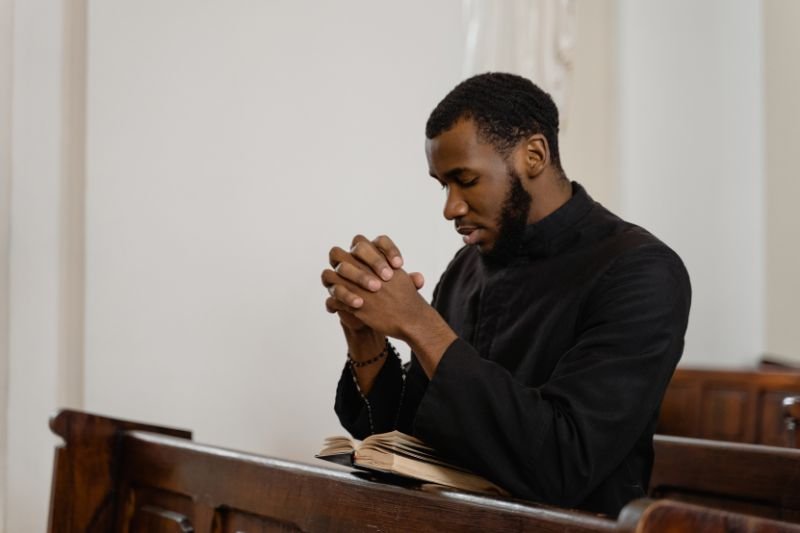
Prophetic intercessors play a vital role in the life of the church. They combine prayer with prophetic insight to stand in the gap for others. Their prayers carry spiritual authority and often bring breakthrough. Understanding the different types of prophetic intercessors helps believers recognize their own calling and gifts.
This knowledge also strengthens the church’s prayer ministry. In this article, we will explore what a prophetic intercessor is, their key characteristics, and the various types that exist. Finally, we will look at how to identify which type fits you best.
What Is a Prophetic Intercessor?
A prophetic intercessor is someone who prays with a deep sensitivity to the voice and leading of God. Unlike regular intercessory prayer, prophetic intercession involves receiving direct guidance or revelation from the Holy Spirit during prayer. This means their prayers are often informed by specific insights or warnings about people, situations, or events.
These individuals do more than simply ask God for help. They declare God’s will and promises over circumstances, often speaking with authority. This prophetic aspect gives their prayers power and focus.
Prophetic intercessors act as spiritual watchmen. They stand alert to what God is revealing and pray accordingly to protect, guide, and bless others. Their role requires both listening closely to God and boldly speaking His truth.
By aligning their prayers with God’s purposes, prophetic intercessors help bring about spiritual breakthroughs and advance God’s kingdom. Their prayers often impact entire communities, regions, or movements within the church.
Key Characteristics of Prophetic Intercessors
#1. Sensitivity to the Holy Spirit
Prophetic intercessors are highly sensitive to the Holy Spirit’s promptings. They can discern subtle spiritual signals that others might miss. This sensitivity helps them recognize when God is leading them to pray or speak. They stay attentive during prayer, ready to respond quickly to guidance. This allows their prayers to align closely with God’s will. Without this sensitivity, prophetic intercession loses its precision and power. Cultivating this trait involves regular listening, prayer, and obedience to the Spirit’s leading.
#2. Spiritual Discernment
Spiritual discernment allows prophetic intercessors to distinguish between God’s voice and other influences. This gift protects them from deception and error. Discernment helps them interpret visions, impressions, or words they receive during prayer. It also guides their judgment about how to pray for situations or people. Without discernment, prophetic insights can lead to confusion or wrong actions. Developing this skill requires humility, testing revelations against Scripture, and seeking wise counsel.
#3. Strong Commitment to Prayer
Prophetic intercessors have a deep commitment to prayer. They understand that consistent, focused prayer is essential for hearing God clearly. Their dedication often involves long hours of prayer, sometimes in solitude. This commitment strengthens their spiritual connection and sharpens their prophetic abilities. It also sustains them through challenges and delays. Without this foundation, prophetic intercession becomes unreliable. Building a strong prayer life demands discipline, perseverance, and a genuine desire to seek God’s heart.
#4. Prophetic Insight
Prophetic insight is the ability to receive clear revelations from God. Prophetic intercessors often receive visions, impressions, or words that reveal God’s plans or warnings. These insights guide their prayers and actions. They help the intercessor pray specifically and effectively for individuals or situations. Prophetic insight is not guesswork; it is a supernatural understanding given by the Holy Spirit. To grow this gift, intercessors must remain open, practice listening, and confirm insights through Scripture and prayer.
#5. Boldness in Decreeing
Boldness in decreeing means confidently speaking God’s will over situations. Prophetic intercessors do not hesitate to declare what God has shown them. They understand the authority they carry when praying prophetically. This boldness encourages faith and can shift spiritual atmospheres. Without it, prayers may lack power or fail to bring breakthrough. Building boldness requires trust in God, experience, and support from the faith community.
#6. Perseverance and Patience
Prophetic intercession often involves waiting for answers and breakthroughs. Intercessors must persevere through silence, delay, or opposition. Patience helps them continue praying faithfully even when results are slow. This endurance strengthens their character and faith. Without perseverance, many would give up before seeing God’s work come to pass. Cultivating these qualities involves understanding God’s timing and trusting His process.
#7. Humility and Submission
Humility keeps prophetic intercessors grounded. They submit their insights and prayers to God’s greater plan and to spiritual authority. This attitude prevents pride and misuse of prophetic gifts. It also opens them to correction and growth. Humility ensures their ministry benefits others, not themselves. Practicing submission means staying teachable, accountable, and dependent on God rather than personal abilities.
#8. Empathy and Compassion
Empathy allows prophetic intercessors to feel the burdens of those they pray for. Compassion motivates them to intercede with a sincere heart. These qualities connect them emotionally and spiritually to people’s needs. Empathy also helps them pray in alignment with God’s love and justice. Without compassion, prophetic intercession risks becoming mechanical or self-focused. Developing empathy requires humility, listening, and a heart for others.
#9. Alignment with Scripture
Prophetic intercessors test all revelations and prayers against Scripture. The Bible is their ultimate authority and guide. Aligning with Scripture ensures their prayers and prophetic words are true and safe. It protects against false teaching and spiritual error. This alignment helps maintain the integrity of their ministry. Regular Bible study and meditation build this foundation.
#10. Sensitivity to Community Needs
Prophetic intercessors are aware of the needs within their community. They listen for specific issues or struggles affecting the people around them. This awareness directs their prayers toward relevant concerns. Sensitivity to community needs also promotes unity and healing. Without this, prophetic intercession can become disconnected or self-centered. Developing this trait requires observation, relationships, and a heart for the church or community.
Types of Prophetic Intercessors
#1. The Watchman
The Watchman is constantly alert to spiritual threats. For example, they may sense a shift in a city’s spiritual atmosphere indicating danger ahead. They then pray to protect the people and prevent harm. In biblical times, Ezekiel was a Watchman who warned Israel of coming judgment (Ezekiel 33:7). Today, Watchmen pray over communities, churches, or nations, standing guard through persistent prayer. Their role requires vigilance and a deep burden for protection. They often pray in early morning hours or during times of spiritual warfare to guard against attacks.
#2. The Intercessory Prophet
The Intercessory Prophet combines prayer with prophetic messages. For instance, they might receive a word from God about a need in the church and then lead focused prayers addressing that issue. Deborah in Judges 4 is an example—she both prophesied and led Israel in battle through prayer and guidance. This type often leads prayer teams or calls the church to action based on prophetic insights. Their prayers are strategic and prophetic, seeking to shift situations according to God’s plan.
#3. The Seer
The Seer receives clear spiritual visions or impressions. For example, they might see a symbolic image representing a future event or warning. The Old Testament prophet Isaiah often saw visions that he shared with God’s people (Isaiah 6). In modern times, Seers bring clarity to prayer by sharing what God reveals visually or through impressions. These revelations guide intercession, helping the church pray with understanding and precision about what God is doing behind the scenes.
#4. The Apostle of Intercession
The Apostle of Intercession plays a leadership role in organizing prayer efforts. For example, they might start a regional prayer network that unites churches for corporate intercession. Paul, while not specifically called an Apostle of Intercession, displayed leadership in organizing early church prayer movements (Acts 13:3). Today’s Apostles of Intercession mentor prayer leaders, create training resources, and develop prayer strategies to strengthen the church’s prophetic intercession. They build foundations for lasting prayer movements and spiritual growth.
#5. The Prophet of Decrees
The Prophet of Decrees speaks boldly to set God’s will in motion. For example, they might decree healing over a sick person or justice over an unjust situation. King Jehoshaphat in 2 Chronicles 20 declared a prophetic decree that led to victory in battle. In modern times, these intercessors confidently pronounce God’s promises and breakthroughs. Their prayers often bring tangible results, such as changed circumstances or spiritual breakthroughs. They operate with authority and faith, believing their decrees carry spiritual weight.
How to Identify Your Type as a Prophetic Intercessor
#1. Reflect on Spiritual Gifts and Experiences
Begin by reviewing the spiritual gifts you believe God has given you. Think about moments in your prayer life when you felt especially led or aware of God’s presence. Consider if you frequently receive visions, impressions, or bold words during prayer. Also, reflect on how you naturally respond—do you warn others, encourage with prophetic insights, or lead with confident declarations? These patterns reveal important clues about your prophetic intercessor type. Writing down your experiences can help clarify your spiritual strengths and areas where God is developing you.
#2. Seek Confirmation Through Prayer and Scripture
Ask God to confirm your calling through prayer and Bible study. Prayer helps you hear God’s voice clearly and receive direction about your role in prophetic intercession. At the same time, Scripture is the ultimate test for prophetic words and insights. Compare what you sense or hear with biblical principles to ensure alignment. If your impressions bring peace and match Scripture, it is likely God’s confirmation. Avoid acting on revelations that conflict with God’s Word. Consistent prayer and Scripture study strengthen your confidence and help you stay on the right path.
#3. Ask for Feedback from Spiritual Mentors
Find mature spiritual mentors or leaders who understand prophetic ministry and ask for their input. These mentors can observe your prayer style and prophetic gifts with an outside perspective. They may identify strengths or areas for growth that you don’t see yourself. Their feedback can affirm the type of prophetic intercessor you are and provide practical advice for development. Choose mentors who are experienced, trustworthy, and grounded in Scripture. Regular conversations with them can guide your spiritual growth and ministry effectiveness.
#4. Observe How God Uses You in Prayer Settings
Watch closely how God uses you in different prayer situations, whether in small groups, corporate prayer gatherings, or personal intercession. Notice if you tend to bring warnings, visions, leadership, or bold declarations. Pay attention to the responses of others—do your prayers encourage faith, bring peace, or prompt action? Consistent patterns in how you serve during prayer reveal your prophetic intercessor type. This practical observation helps you understand your role and how to contribute best to the body of Christ.
#5. Notice the Types of Revelations or Impressions You Receive
Pay attention to the nature of the revelations or impressions you experience during prayer. Do you often see images or symbolic visions, which would point to being a Seer? Are you more aware of spiritual dangers and feel called to pray for protection, like a Watchman? Or do you regularly receive strong impressions to declare God’s promises, which aligns with the Prophet of Decrees? Keeping a journal of these experiences over time can help you identify clear patterns. Recognizing your unique prophetic input style guides you to the prophetic intercessor type God has called you to.
#6. Assess Your Strengths in Prayer and Prophetic Ministry
Evaluate where your strongest abilities lie in both prayer and prophetic ministry. Are you gifted in leading others in prayer and organizing intercessory efforts, like an Apostle of Intercession? Or do you feel called to combine prayer with prophetic warnings or encouragement, fitting the Intercessory Prophet? Identifying your primary gifts and strengths helps pinpoint your prophetic intercessor type. It also reveals where you can have the greatest impact in ministry. Understanding your strengths allows you to focus your training and service effectively.
#7. Be Open to Growth and Transformation
Understand that prophetic intercession is a process, not a fixed identity. Your type may change or expand as you mature spiritually. God may develop new gifts or refine existing ones over time. Remaining open to learning, correction, and transformation keeps your ministry fresh and effective. Flexibility allows you to respond to God’s leading and new opportunities. Embracing growth prevents stagnation and helps you serve God and others more fully. Be willing to step out of comfort zones and trust God’s shaping.
#8. Test Your Prophetic Words for Accuracy and Fruitfulness
Regularly evaluate the results of your prophetic prayers and words. Are your declarations coming true? Do they bring peace, healing, or positive change? Testing the accuracy and fruitfulness of your prophetic ministry protects you from error and builds credibility. It also confirms God’s approval and guidance in your life. When your words bear fruit, you can pray with greater confidence. If results are lacking, seek correction and adjust your approach. This ongoing testing helps you grow as a reliable prophetic intercessor and avoid misleading others.
Conclusion
Prophetic intercession is a vital ministry in the church. Understanding the different types helps believers recognize their calling and gifts. Each type brings unique strengths to prayer and prophetic work. Identifying your type allows you to serve more effectively and grow in your spiritual journey.
Remember to seek God’s guidance through prayer, Scripture, and wise counsel. Stay open to learning and testing your gifts. As you develop, your prayers will carry greater impact. Embrace your role as a prophetic intercessor and help bring God’s will to pass through powerful, focused prayer.