
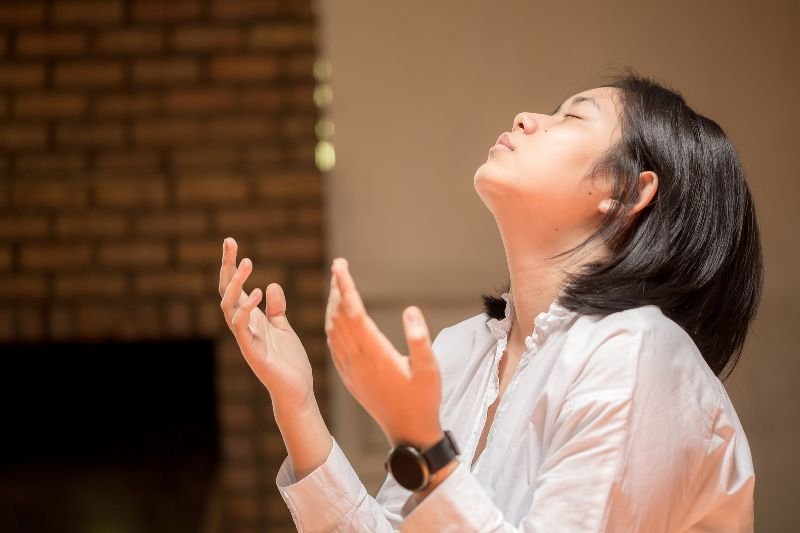
Intercession is an important part of biblical prayer. Intercessors stand between God and others, praying on their behalf. The Bible shows many examples of people who took this role seriously. These individuals helped connect people with God through prayer and action.
Understanding the role of intercessors helps us see how prayer works in God’s plan. This article explores key examples from both the Old and New Testaments. It highlights how intercessors mediate, advocate, lead, and fight spiritual battles through prayer. Their work remains vital for believers today.
Understanding Intercession in the Bible
Intercession is the act of praying on behalf of others. It means standing in the gap between God and people, asking God to intervene in their lives. Intercessors bring the needs, struggles, and requests of others before God. These prayers can be for forgiveness, protection, healing, guidance, or blessings. The Bible shows intercession as a powerful way to influence circumstances through prayer.
Intercession is different from regular prayer because it focuses on others rather than oneself. Intercessors carry the burden of those they pray for. They often pray persistently and with great faith, believing God hears and responds.
In Scripture, intercession is a vital link between God’s will and human needs. It is shown as a spiritual responsibility that requires a strong relationship with God. Intercession serves both individuals and whole communities, helping to bring God’s mercy and power into difficult situations. This role highlights the importance of praying not just for personal needs but for the wellbeing of others and the broader body of believers.
The Role of Intercessors in the Old Testament of the Bible
Intercessors played critical roles in the Old Testament. They acted as mediators, advocates, and spiritual leaders who stood between God and His people. Their prayers impacted the direction of God’s actions and the wellbeing of the nation. Here are key examples that illustrate the different ways intercessors served in the Old Testament.
#1. Mediating Between God and People (Exodus 32:11-14)
Moses is a prime example of an intercessor who mediated between God and the Israelites. When the people sinned by worshiping the golden calf, God was ready to punish them. Moses pleaded with God to relent and spare the nation. He reminded God of His promises to the ancestors. Because of Moses’ intercession, God’s anger was turned away. This shows how intercessors can intervene to protect others from judgment by appealing to God’s mercy.
#2. Advocating for Mercy and Forgiveness (Genesis 18:22-33)
Abraham’s intercession for Sodom reveals the role of advocating for mercy. He asked God to spare the city if even a few righteous people were found there. Abraham boldly negotiated with God, showing faith that God would be just and merciful. Though Sodom was ultimately destroyed, Abraham’s prayer highlighted how intercessors can plead for forgiveness and delay judgment on behalf of others.
#3. Leading the Nation in Prayer (1 Samuel 12:23)
Samuel declared that he would continue to pray for the people of Israel. He saw intercession as a responsibility of spiritual leadership. By praying for the nation, Samuel helped maintain the people’s relationship with God and sought God’s guidance and protection. Intercessors often lead others in prayer to strengthen community faith.
#4. Calling for Repentance (2 Chronicles 7:14)
God promised that if His people humbled themselves, prayed, sought His face, and turned from their wicked ways, He would heal their land. Intercessors frequently call people to repentance through prayer, asking God to forgive sins and restore broken relationships. This role is essential to spiritual renewal and revival.
#5. Delivering God’s Messages Through Prayer (Daniel 9:3-19)
Daniel prayed fervently for his people, confessing their sins and pleading for God to restore Jerusalem. His prayers were both intercession and prophetic, revealing God’s will and promises. Intercessors can serve as messengers who bring God’s truth and encouragement to those they pray for.
#6. Standing Firm in Spiritual Battles (Exodus 17:8-13)
When the Amalekites attacked Israel, Moses prayed from a hill while the battle was fought below. As long as Moses held up his hands in prayer, Israel prevailed. When he lowered them, the enemy gained ground. Aaron and Hur helped support Moses’ hands. This story shows that intercessors play a vital role in spiritual battles, standing firm in prayer until victory is won. Their faith and persistence can change outcomes in difficult situations.
The Role of Intercessors in the New Testament of the Bible
The New Testament continues to emphasize the importance of intercession. Jesus, the Holy Spirit, and the early church all demonstrate how prayer on behalf of others is vital for spiritual life. Intercessors help bring God’s will to people, support spiritual growth, and engage in spiritual warfare. Below are key examples of how intercession functions in the New Testament.
#1. Jesus as the Ultimate Intercessor (Romans 8:34; Hebrews 7:25)
Jesus is the perfect and eternal intercessor. After His resurrection, He sits at the right hand of God, continually interceding for believers. Romans 8:34 says He is “at the right hand of God and is also interceding for us.” Hebrews 7:25 explains that Jesus “always lives to intercede” for those who come to God through Him. His intercession secures forgiveness, grace, and salvation. Jesus prays not only for protection but also for believers to be sanctified and kept in faith.
#2. The Holy Spirit’s Intercession (Romans 8:26-27)
The Holy Spirit also intercedes for believers. When people do not know how to pray or what to pray for, the Spirit steps in. Romans 8:26-27 says the Spirit helps by “interceding for us with groanings too deep for words.” This means the Spirit expresses prayers that go beyond human language, strengthening believers and guiding their prayers according to God’s will. The Spirit’s role in intercession deepens the connection between God and His people.
#3. Early Church Intercessory Prayer (Acts 12:5; James 5:16)
The early church practiced intercession regularly and with faith. In Acts 12:5, the church prayed earnestly for Peter’s release from prison. James 5:16 encourages believers to “pray for each other so that you may be healed.” These examples show that intercessory prayer was a key part of the early Christian community’s life. It was used for healing, protection, and guidance, showing the power of united prayer.
#4. Intercessors as Spiritual Warriors (Ephesians 6:18)
Intercessors are described as spiritual warriors. Ephesians 6:18 urges believers to “pray in the Spirit on all occasions with all kinds of prayers and requests.” Prayer is a vital weapon in spiritual battles. Intercessors stand firm in faith, praying for protection, strength, and victory over evil forces. This ongoing prayer supports the church’s spiritual health and mission.
#5. Building Community and Unity (1 Timothy 2:1-2)
Intercessory prayer promotes peace and unity within the Christian community. 1 Timothy 2:1-2 instructs believers to pray for kings, leaders, and all in authority. Such prayers support good governance and social order. Intercessors help maintain a healthy community by seeking God’s guidance and blessing for leaders and fellow believers. This builds trust, peace, and cooperation.
#6. Encouraging Repentance and Revival (2 Chronicles 7:14)
Though originally from the Old Testament, the promise in 2 Chronicles 7:14 still applies to New Testament believers. Intercessors call people to repentance, humility, and seeking God’s face. Their prayers invite God’s forgiveness and healing for individuals and communities. This call to repentance encourages spiritual revival and renewal today, helping believers return to God and live faithfully.
Conclusion
Intercessors play a vital role in the Bible. They connect people to God through prayer. In the Old Testament, they mediate, advocate, lead, and stand firm in spiritual battles. In the New Testament, Jesus and the Holy Spirit intercede perfectly, and the early church continues the practice. Intercessory prayer supports spiritual growth, unity, and revival. Understanding this role helps believers see the power of praying for others. Intercession remains a key part of faith today, calling all believers to pray with purpose and faith for those around them.