
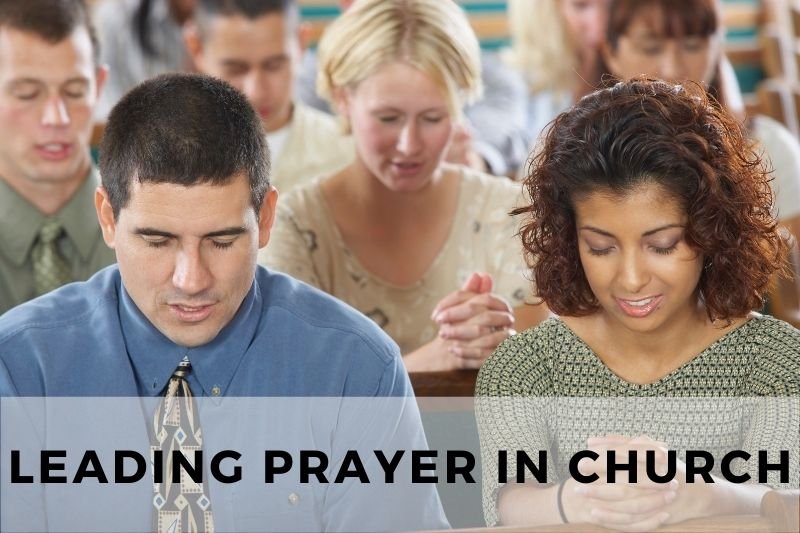
How can a church leader guide a meaningful and powerful prayer? Leading prayer is more than speaking words—it requires preparation, sincerity, and clarity. A well-led prayer helps the congregation connect with God and find spiritual strength. Without structure and focus, prayers can become repetitive or unclear.
Using Scripture, engaging the congregation, and speaking with confidence can make a prayer more impactful. It’s also essential to be spiritually prepared and allow the Holy Spirit to lead. This guide will cover effective techniques to help church leaders lead prayer with purpose, clarity, and faith.
Techniques for Leading Prayer in Church
#1. Prepare Spiritually and Mentally
A leader must be spiritually grounded before leading prayer. Spend time in personal prayer, seeking God’s guidance. Read Scripture to align your heart with His will. A distracted or unprepared mind can lead to ineffective prayer.
Set aside quiet moments before leading to calm your thoughts. Avoid rushing into prayer without focus. Ask God for wisdom and clarity in your words. A prepared mind leads to a meaningful prayer.
For example, before a Sunday service, a pastor might read Psalm 23 and reflect on God’s provision. This prepares the heart to lead with sincerity and faith.
#2. Use Scripture-Based Prayers
Praying with Scripture strengthens the message and provides biblical truth. Verses guide the congregation in aligning their prayers with God’s promises. This adds depth and meaning to prayer.
Choose verses that fit the theme of the service. If praying for healing, use James 5:14-15. If seeking strength, Psalm 46:1 is a strong choice. Avoid using Scripture randomly—make it relevant.
For instance, when praying for unity, a leader might say, “Lord, as Your Word in John 17:21 says, may we be one as You and the Father are one.”
#3. Start with Praise and Thanksgiving
Begin every prayer by acknowledging God’s greatness. This shifts the focus from personal needs to worship. Praising God first creates a reverent atmosphere.
Thanksgiving reminds the congregation of God’s past faithfulness. Mention answered prayers, daily blessings, or His presence in difficult times. Gratitude builds faith.
For example, a church leader might start with, “Lord, we thank You for this day, for Your mercy that renews every morning, and for Your unfailing love that surrounds us.” This sets a worshipful tone before making requests.
#4. Structure the Prayer Thoughtfully
A well-structured prayer keeps it clear and meaningful. Use a simple format: praise, confession, petition, and thanksgiving. This ensures a balanced prayer.
Avoid rambling or disorganized thoughts. Plan key points beforehand. If praying for a service, structure it around worship, teaching, and the congregation’s needs.
For instance, a leader opening a church service might pray, “Lord, we come with humble hearts. Forgive our sins. Bless the worship team as they lead. Speak through the pastor today. Thank You for Your presence.” This keeps the prayer focused.
#5. Engage the Congregation
Prayer is not just for the leader—it’s for the whole church. Encourage participation by inviting responses or silent agreement. Corporate prayer strengthens unity.
Use phrases like “Let us all pray together” or “Join me in thanking God.” Call-and-response prayers work well in group settings. The congregation feels more involved.
For example, during intercessory prayer, a leader might say, “If you need healing, lift your hand as we pray.” This simple action encourages engagement and personal connection with the prayer.
#6. Speak Clearly and Confidently
A prayer leader must speak with clarity and confidence. A weak or hesitant voice can make it hard for the congregation to follow. Speaking with assurance helps engage listeners.
Avoid rushing through words or mumbling. Enunciate well and use a steady pace. If using a microphone, adjust your volume so everyone can hear. A well-projected voice fosters connection.
For example, when leading a prayer of encouragement, say, “Lord, we trust in Your promises. You are our refuge and strength.” A confident tone reinforces faith and reassures those listening.
#7. Be Led by the Holy Spirit
While preparation is important, allowing the Holy Spirit to guide the prayer is essential. Sometimes, God leads in unexpected ways, bringing specific needs or messages to mind.
Stay sensitive to His prompting. If you feel led to pray for someone struggling, follow that guidance. A structured prayer should still leave room for spiritual direction.
For instance, a leader may plan a general prayer but suddenly feel prompted to pray for a grieving member. Following the Spirit’s lead ensures the prayer meets real needs.
#8. Keep the Prayer Focused and Concise
Long, unfocused prayers can lose the congregation’s attention. Keeping prayers concise ensures clarity and impact. It’s better to pray a few meaningful sentences than to ramble.
Avoid filler phrases or unnecessary repetition. If covering multiple topics, transition smoothly. A clear and concise prayer respects everyone’s time while remaining effective.
For example, instead of praying, “Lord, we just ask, we just pray, we just want,” say, “Lord, we seek Your wisdom in our decisions. Guide our steps and strengthen our faith.” This keeps the prayer direct and purposeful.
#9. Address Specific Needs
Prayers should be relevant to the congregation’s needs. Whether for healing, guidance, or encouragement, addressing specific concerns makes the prayer meaningful.
Listen to people’s struggles and incorporate them into the prayer. Avoid generic prayers that feel disconnected from real issues. A well-directed prayer provides comfort and hope.
For example, if the church is facing financial struggles, a leader might pray, “Lord, we trust You as our provider. Bless this church with the resources to continue Your work.” This makes the prayer more relatable and impactful.
#10. Close with Faith and Encouragement
Ending the prayer on a strong note reinforces trust in God. A closing should express faith, encouragement, and gratitude, leaving the congregation uplifted.
Declare God’s promises and His faithfulness. Avoid ending abruptly or without direction. A well-structured closing ties the prayer together and strengthens belief.
For example, a leader might close with, “Lord, we trust that You hear our prayers. May Your peace go with us. We thank You for Your love and guidance. In Jesus’ name, Amen.” This leaves the congregation encouraged and focused on God’s faithfulness.
Closing Thoughts
Leading prayer in church is a responsibility that requires preparation, clarity, and faith. A well-led prayer brings people closer to God, strengthens unity, and provides encouragement. By using Scripture, engaging the congregation, and staying focused, leaders can guide prayers that are meaningful and impactful.
Confidence and sensitivity to the Holy Spirit are also key. A prayer leader should balance structure with openness to God’s direction. Every prayer should reflect sincerity and purpose.
As you lead prayer, remember that it’s not about performance but connection. Speak with faith, pray with conviction, and trust that God hears every word.