
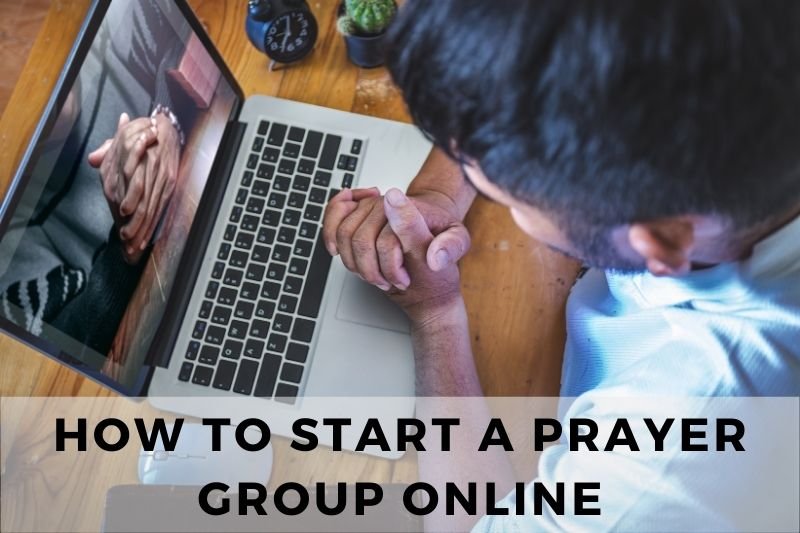
Have you ever wanted to pray with others but found it hard to meet in person? Starting an online prayer group can bring people together no matter where they are. It creates a space for support, encouragement, and shared faith. With the right tools, structure, and commitment, you can build a meaningful prayer community.
This guide will show you how to set up, organize, and maintain an online prayer group step by step. You’ll learn how to choose the best platform, invite members, and keep engagement strong. Follow these steps to start a prayer group that truly makes a difference.
How to Start a Prayer Group Online: Step-by-Step
#1. Define Your Purpose and Vision
Before starting a prayer group, determine its purpose. A clear mission helps members stay focused and engaged. Ask yourself: What is the main goal of the group? Is it for personal prayer needs, interceding for others, supporting a specific community, or praying for global issues? Defining the vision ensures that members join with the right expectations.
For example, if your group is dedicated to praying for families, specify whether the focus is on parenting challenges, marriages, or children’s spiritual growth. A workplace prayer group might center on seeking wisdom for career decisions and praying for colleagues. When members understand the group’s direction, participation becomes more meaningful, and discussions stay relevant.
#2. Choose the Right Online Platform
Selecting the right platform is crucial for accessibility and engagement. Choose a tool that suits your group’s needs and technical comfort levels. Video conferencing apps like Zoom, Google Meet, or Microsoft Teams enable face-to-face prayer. Messaging apps such as WhatsApp, Telegram, or Signal work well for ongoing prayer requests and discussions. Social media platforms like Facebook Groups or Discord can help organize resources and updates.
For example, if members live in different time zones, a WhatsApp group allows them to post prayer requests at any time. If live meetings are important, Zoom enables real-time interaction. A hybrid approach—using a video call for meetings and a chat group for daily interactions—ensures continuous engagement. Consider what works best for your group’s size, schedule, and preferences.
#3. Set a Schedule and Format
Consistency is key to keeping a prayer group active. Decide how often the group will meet—weekly, biweekly, or monthly. Choose a time that works for most members, considering different time zones and schedules. Setting a fixed schedule prevents confusion and helps members prioritize participation.
Define the structure of each meeting to maintain focus. A typical format could include: opening greetings, sharing prayer requests, reading scripture, group prayer, and closing reflections. Some groups add worship music or personal testimonies. For example, a morning prayer group might meet for 30 minutes before work, with a brief devotional followed by a time of prayer. A weekend group may meet for an hour, allowing more discussion. Having a clear format ensures meetings are organized and purposeful.
#4. Invite Members and Spread the Word
Once the group’s purpose and schedule are set, start inviting members. Begin with people in your immediate circle—friends, family, church members, or colleagues. Expand by reaching out through social media, email, and church bulletins. Be clear about the group’s vision, schedule, and expectations.
For example, if the group is for young adults, promote it in church youth groups or college ministry forums. If it’s for business professionals, share the details in workplace Christian networks. Encourage word-of-mouth invitations by asking members to invite others with a shared commitment to prayer. Providing a simple invitation message with details makes it easy for potential members to understand and join.
#5. Establish Guidelines for a Meaningful Experience
Setting clear guidelines ensures the group remains a respectful and safe space. Members should feel comfortable sharing personal prayer requests without fear of judgment or gossip. Establish rules for participation, confidentiality, and respectful communication.
For example, if a member shares a sensitive prayer request, others should not discuss it outside the group. Encourage active participation, but allow flexibility for those who prefer to pray silently. If using a chat group, keep off-topic discussions minimal to maintain focus. Posting a written code of conduct or discussing expectations at the first meeting sets a positive tone and prevents misunderstandings.
#6. Use Technology to Enhance the Experience
Leverage digital tools to improve interaction and engagement. A shared document, such as a Google Doc, can track prayer requests and answered prayers. A group calendar can send reminders for upcoming meetings. Automated tools can deliver daily scriptures or prayer prompts.
For example, a Telegram bot can send a verse of the day and encourage members to reflect on it. A YouTube playlist with worship songs can help set the tone before prayer sessions. Some groups record video meetings for those who miss live sessions. Using technology thoughtfully makes the prayer experience more accessible and enriching for everyone.
#7. Keep Engagement and Spiritual Growth Alive
Encouraging consistent participation is essential for a thriving prayer group. Keep members engaged by fostering discussion, sharing devotionals, and offering spiritual encouragement. Between meetings, use chat groups or email updates to maintain interaction.
For example, assign weekly prayer partners so members connect individually. Share testimonies of answered prayers to inspire faith. In a Facebook group, post daily or weekly prayer prompts to spark meaningful discussions. If engagement drops, reach out to inactive members and ask how they’re doing. Keeping the prayer group active outside of scheduled meetings strengthens the sense of community and deepens spiritual growth.
Closing Thoughts
Starting an online prayer group is a powerful way to connect with others in faith, no matter where they are. By defining a clear purpose, choosing the right platform, and maintaining a structured format, you can create a meaningful and engaging space for prayer. Consistency, clear guidelines, and the right use of technology help keep the group organized and effective.
Most importantly, focus on building a supportive and spiritually enriching community. Encourage participation, foster deep connections, and celebrate answered prayers. A well-led prayer group can strengthen faith, offer encouragement, and bring people closer to God through collective prayer and fellowship.