
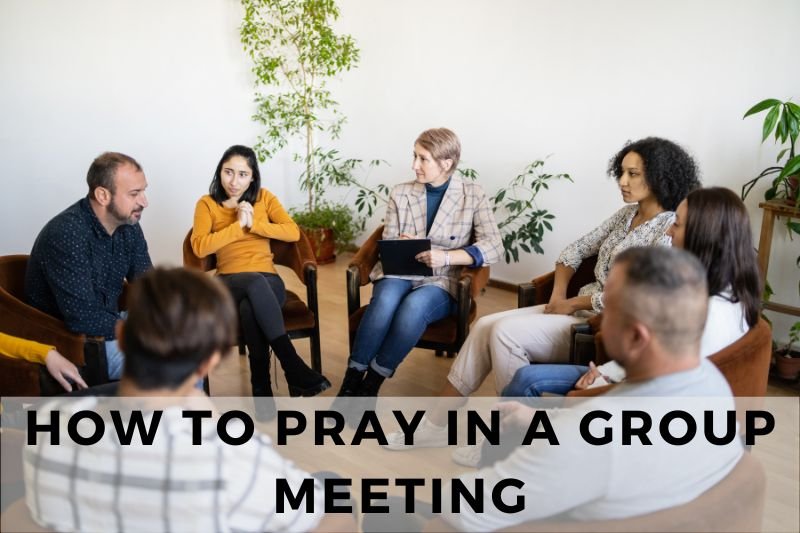
Praying in a group setting can strengthen bonds and deepen faith. It is an opportunity to connect with others in a shared spiritual experience. However, group prayer requires careful attention to ensure it is meaningful for everyone involved. Knowing how to pray in a group meeting is essential to maintaining focus and unity.
The right approach can foster an environment where everyone feels included and respected. In this article, we will explore key considerations and practical tips for praying together effectively, ensuring your group prayers are impactful and spiritually enriching for all participants.
What to Consider When Praying in a Group Meeting
#1. Focus on Unity
In a group setting, unity is crucial. When you pray together, the purpose is to come together as one. Encourage everyone to focus on the shared intention. This creates a stronger sense of community. Distractions, whether internal or external, can disrupt this unity.
Encourage participants to set aside personal concerns during the prayer. This ensures that everyone is engaged in the collective experience. Group prayer works best when everyone is mentally and spiritually present, united by a common goal.
#2. Tone and Language
The tone of your prayer should be calm and respectful. Avoid raising your voice or using overly dramatic language. The goal is to keep the atmosphere calm and reflective. Choose words that are simple and clear, allowing everyone to follow along.
The language should be accessible to all participants, no matter their level of familiarity with prayer. Avoid using overly complex theological terms unless you know the group understands them. The purpose is to connect with people, not to impress them with vocabulary.
#3. Respect for Diverse Beliefs
A group prayer often includes people with different backgrounds, beliefs, and practices. It’s essential to respect these differences. Make sure that the prayer is broad enough to allow each person to connect with it.
For example, instead of focusing on specific theological views, center the prayer around universal themes like peace, hope, and love. Be mindful that not everyone may pray in the same way or even believe in the same things. Respect for these differences fosters an inclusive atmosphere where everyone feels welcome to participate.
#4. Avoid Long-winded Prayers
Long prayers can lose the group’s attention and reduce the impact of the message. People may start to tune out if a prayer goes on for too long. Focus on being concise while still communicating your intentions clearly.
A well-timed prayer, even if brief, can be just as meaningful as a lengthy one. Stay focused on the key message or theme. Avoid rambling or repeating yourself. A short prayer allows everyone to stay engaged and keeps the group spiritually attuned throughout the session.
#5. Lead with Humility
When you lead a group prayer, it’s important to lead with humility. Understand that you are there to guide, not dominate, the prayer. Allow others to participate and share their thoughts when appropriate. Lead by example, but avoid making others feel that their prayers are less important.
Your position as the leader should not create a barrier to open participation. Humility in prayer means acknowledging that you, too, are a participant in the spiritual experience. This approach fosters a collaborative, inclusive atmosphere.
#6. Encourage Participation
Encouraging participation is key to a successful group prayer. A prayer isn’t just about one person speaking; it’s about everyone coming together. Invite others to join in, whether by praying aloud or silently. Ensure that everyone feels comfortable contributing.
Some people may need encouragement to pray out loud, while others may prefer to remain silent. Respect these preferences but make space for everyone to feel involved. The more people engage, the more meaningful the prayer becomes for the entire group.
#7. Be Spiritually Attuned
Being spiritually attuned is essential in group prayer. Tune into the energy and emotions of the group. If you sense discomfort or unease, adjust your approach. Sometimes, people may need a moment of silence to connect more deeply.
Don’t rush the process; allow for pauses if necessary. Your sensitivity to the group’s emotional and spiritual state can lead to a more powerful prayer experience. Pay attention to non-verbal cues as well. By being attuned, you create a prayer environment that is both mindful and responsive to the group’s needs.
#8. Create a Comfortable Atmosphere
The atmosphere of the prayer setting plays a significant role in its success. A comfortable, peaceful environment helps people focus and feel more connected. Ensure the space is quiet and free from distractions.
Make the physical setting conducive to prayer, whether it’s dimming the lights or choosing a calm location. If possible, create a setting that encourages reflection, such as offering seating in a circle. A welcoming atmosphere sets the stage for meaningful participation and makes it easier for individuals to open their hearts in prayer.
#9. Incorporate Scripture or Religious Texts
Incorporating scripture or religious texts can add depth to group prayer. Scriptures can serve as a grounding point and help unify the group. They bring a sense of tradition and shared belief. Choose passages that are relevant to the group’s focus.
Keep the scripture short and easy to understand. Avoid overloading the group with lengthy readings. When used thoughtfully, scripture can enrich the prayer, offering both inspiration and a connection to the larger spiritual community.
#10. Conclude with Gratitude
Concluding a group prayer with gratitude helps solidify the positive impact of the experience. Take time to express thanks for the opportunity to gather, for the prayers shared, and for the blessings the group has received. Gratitude brings closure and reinforces the sense of unity.
It also leaves participants with a positive feeling as they leave. A simple, heartfelt expression of thanks can strengthen the bonds between the group members and remind everyone of the importance of the shared prayer experience.
How to Pray in a Group Meeting: Tips and Techniques
#1. Start with a Clear Intent
When leading a group prayer, it’s essential to start with a clear intent. Know why you are gathering and the purpose of the prayer. Whether it’s for healing, thanksgiving, guidance, or peace, a clear purpose sets the tone for the entire prayer. It helps guide your words and ensures the prayer remains focused.
A clear intent allows everyone to connect with the prayer on a deeper level, as they will understand its purpose. This clarity helps avoid wandering thoughts and distractions, keeping everyone aligned with the same objective throughout the prayer.
#2. Be Mindful of the Group’s Needs
Take time to consider the specific needs of the group before and during the prayer. If there are known challenges or concerns within the group, acknowledge these in your prayer. A group prayer that directly addresses the concerns and needs of the participants will resonate more.
This could be anything from physical healing, emotional support, or guidance in life’s decisions. Understanding the group’s needs ensures that your prayer feels personal and relevant, giving each person the sense that their concerns are being heard and included in the collective experience.
#3. Use Simple, Clear Language
Keep the language of your prayer simple and clear. The goal of prayer is connection, and complicated or technical language can create a barrier. Use words that everyone can understand, regardless of their background or familiarity with prayer.
Avoid theological jargon or overly complex phrasing that may confuse participants. The simplicity of the language ensures that everyone can follow along and feel engaged. Clear language also allows participants to reflect on the words being said without distraction, fostering a deeper connection with the prayer.
#4. Allow for Silence and Reflection
Not every moment in a group prayer needs to be filled with spoken words. Silence is a powerful tool. It provides space for individuals to reflect, meditate, and connect with their own thoughts and emotions. Allowing moments of silence invites participants to engage on a deeper, personal level.
These pauses can also create a sense of peace and focus within the group. Silence gives each person time to process what’s been prayed for and connect spiritually. By incorporating pauses, you help create a more reflective and meaningful experience for everyone.
#5. Keep Prayers Focused and Concise
A well-focused, concise prayer is more effective than a long-winded one. Stay focused on the core message and avoid deviating into unrelated topics. A concise prayer ensures that the group remains engaged and that the message is clear.
It’s easy to lose the group’s attention when the prayer is too long, so aim to keep it short while still maintaining depth. A prayer that is too lengthy can also reduce the emotional impact, as people may begin to tune out. Keep your words direct, meaningful, and to the point, so the prayer remains powerful and resonant.
#6. Lead with an Open Heart
When you lead a prayer, do so with an open heart. Approach it with sincerity and a willingness to serve the group spiritually. Leading with an open heart shows vulnerability, which encourages others to do the same. It creates a safe space where participants feel comfortable opening up in their own way.
Your openness will invite others to engage fully in the prayer. It also helps foster a spirit of humility and inclusion, where the group’s collective energy can come together in unity. Leading with an open heart makes the prayer more genuine and impactful for everyone involved.
#7. Invite Participation from Others
Group prayer is not a monologue; it should be a shared experience. Invite others to participate, whether by praying aloud, sharing a thought, or simply offering silent support. Participation strengthens the bond within the group and enriches the prayer experience.
Some people may feel shy or uncomfortable praying aloud, so provide them with the option to participate silently or by expressing thoughts briefly. Including everyone in the prayer fosters a deeper connection and allows the group to feel a greater sense of community. Encourage contributions from all members, whether they are vocal or silent.
#8. Incorporate Collective Requests
As part of group prayer, take time to include collective prayer requests. Ask the group if there are specific intentions, concerns, or prayers they want to bring to the forefront. Including these requests ensures that everyone feels heard and supported.
It’s also a powerful way to build community, as the group’s prayers are shared and intertwined. Take a moment to offer prayers for specific individuals or situations that may need special attention. Incorporating these requests into the prayer helps meet the spiritual needs of the group and fosters an atmosphere of mutual care.
#9. Be Sensitive to Emotional Dynamics
Group prayer often touches on deep emotional needs, so it’s important to be sensitive to the emotional dynamics at play. If someone in the group is grieving or facing a challenge, acknowledge that with compassion and care. Avoid rushing through these moments; take the time to provide comfort and offer specific prayers for emotional healing.
Be mindful of the group’s collective emotional state, adjusting your tone and words as necessary. When people are emotionally vulnerable, the prayer can have a profound impact, so it’s essential to create a supportive and caring environment where everyone feels safe.
#10. End with a Closing Blessing
Conclude the prayer with a closing blessing. A simple, heartfelt blessing ties everything together and offers a final sense of peace and hope to the group. This blessing can be a general wish for peace, healing, or strength, or it can be personalized to reflect the group’s shared experience.
Ending with a blessing leaves participants with a positive, uplifting message that stays with them after the prayer. It provides a sense of closure, while also reinforcing the group’s spiritual connection. A blessing brings the prayer to a fulfilling and peaceful end, ensuring that the energy of the group remains grounded and hopeful.
Closing Thoughts
Praying in a group is a powerful way to connect with others and grow spiritually. It requires thoughtfulness, respect, and a clear intent. By keeping the focus on unity, simplicity, and inclusion, you can lead prayers that bring the group closer together. Remember, the most important aspect of group prayer is the shared experience.
Everyone should feel valued and involved. Whether you’re leading or participating, approach each prayer with humility and openness. With these tips and techniques, your group prayer can become a meaningful and transformative experience for all involved.