
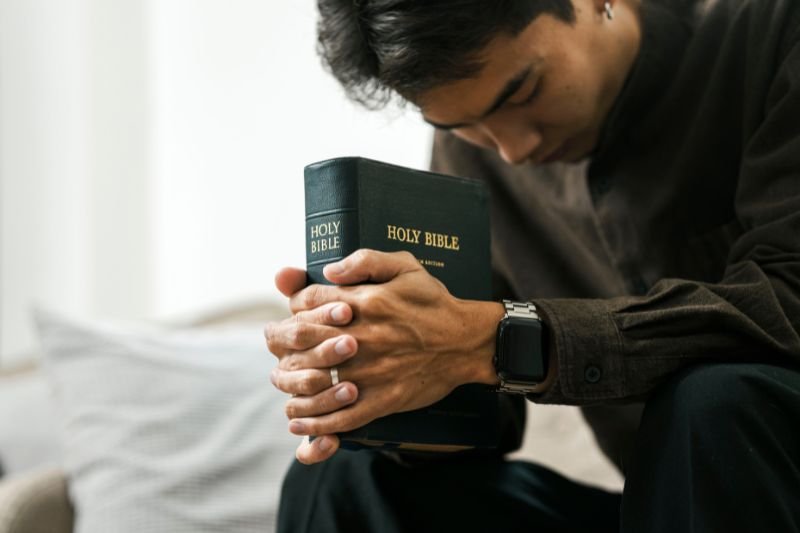
Intercession is a vital part of Christian prayer. It means praying on behalf of others. Effective intercession can bring change in people’s lives and situations. It requires more than just words; it demands commitment and faith. This guide will walk through practical steps to become an effective intercessor.
Each step builds on the last to help deepen your prayer life. Whether new or experienced, this guide will strengthen your role as an intercessor. Prayer changes things, and intercession plays a key part in that change.
Understanding the Role of an Intercessor
An intercessor stands in the gap for others through prayer. This means bringing the needs of individuals, groups, or situations before God. Intercession is not just about asking for things; it’s about representing others faithfully in prayer. Intercessors take on a spiritual responsibility to advocate on behalf of those who may not be able to pray for themselves.
Intercessors pray for healing, guidance, protection, and breakthrough. Their prayers cover a wide range of needs—personal struggles, family issues, church matters, and even global concerns. This role requires sensitivity to the Holy Spirit to know what and how to pray.
Listening to God is key for intercessors. They must be attentive to His guidance rather than relying on their own ideas. This spiritual listening helps focus prayers on God’s will, not just human desires.
Intercession calls for patience and persistence. Answers to prayer may not come quickly or in the way expected. Faith in God’s timing is essential. Humility is also important because intercessors serve others without seeking recognition.
Understanding the full scope of the intercessor’s role prepares the heart and mind for effective prayer. It helps keep focus on the purpose: aligning with God’s will and bringing His power into the lives of those being prayed for. This awareness strengthens commitment and deepens the prayer experience.
How to Be an Effective Intercessor: Step-by-Step
#1. Understand the Role of an Intercessor
Being an intercessor means more than just saying prayers for others. It is a deliberate act of standing in the gap to bring others’ needs before God. This role requires a deep sense of responsibility because your prayers can influence outcomes in ways you may not see immediately. Intercessors pray not only for physical needs but also spiritual breakthroughs, healing, protection, and guidance. To be effective, an intercessor must have faith that their prayers matter and patience to continue even when results are not immediate. Understanding this role fully prepares the heart for the work ahead.
#2. Develop a Compassionate and Humble Heart
Compassion is the root of all effective intercession. When you pray with true empathy and concern for others, your prayers become powerful and heartfelt. Compassion helps you to stay committed because you genuinely care about the people and situations you are praying for. At the same time, humility is critical. An intercessor must remember that they are a vessel for God’s work, not the source of answers. Pride can hinder prayer, so maintaining a humble attitude keeps the focus on God’s power and purpose. Humility also opens the door for God to lead and work through you in unexpected ways.
#3. Commit to a Consistent Prayer Life
Consistency is essential in building a strong prayer life. Set aside specific times each day dedicated to intercession. This routine strengthens your spiritual muscles and keeps you connected to God regularly. Without consistency, prayer can become sporadic and less effective. Regular prayer times help you stay focused and attentive, enabling you to respond quickly when God places specific needs on your heart. A consistent prayer habit also builds endurance, helping you to sustain long-term intercession for ongoing needs.
#4. Use Scripture to Guide Your Prayers
Scripture is a powerful tool for intercessors. When you pray using God’s Word, you align your requests with His will. The Bible contains promises and commands that can shape your prayers. For example, praying for healing can include scriptures like Isaiah 53:5 or Psalm 107:20. Using scripture builds confidence because you know you are standing on God’s truth, not just personal desires. It also helps deepen your understanding of God’s character and His promises, which strengthens your faith as you intercede.
#5. Listen for God’s Guidance
Prayer is a two-way conversation. After presenting your requests, take time to listen. The Holy Spirit often guides intercessors by prompting specific prayers, revealing hidden needs, or giving peace about the situation. Listening requires quietness and patience. It means being open to adjusting your prayers based on what God reveals. When you follow His guidance, your prayers become more focused and powerful. This connection also deepens your relationship with God.
#6. Pray with Faith and Expectancy
Faith is the foundation of effective intercession. Believe that God hears your prayers and will answer in His perfect timing. Expectancy means praying with the confidence that God is at work, even if you don’t see immediate results. This attitude keeps you engaged and hopeful. It prevents discouragement and fuels persistence. Without faith and expectancy, prayer can become routine or feel meaningless. Embrace the truth that God responds to the faith-filled prayers of His people.
#7. Be Persistent and Patient
Sometimes answers to prayer are delayed or come in unexpected ways. Persistence means continuing to pray without giving up, even when the situation seems unchanged. Patience means trusting God’s timing, knowing He is working behind the scenes. Jesus taught persistence in prayer through parables like the persistent widow (Luke 18:1-8). This teaches that faithfulness in prayer can bring breakthrough. Avoid becoming discouraged by delays. Keep praying, trusting that God’s plan is perfect.
#8. Pray Specifically and Clearly
Clear and specific prayers are more focused and effective. When you pray for vague needs, it’s easy to lose direction or become overwhelmed. Instead, identify exact needs, names, or situations. For example, instead of praying “help those in trouble,” pray “bring healing and peace to John who is battling illness.” Specific prayers show that you care deeply and help God’s Spirit to guide your intercession accurately. It also helps you stay focused during prayer times.
#9. Keep a Prayer Journal
Writing down your prayers and any answers you receive creates a powerful tool for growth. A prayer journal helps you remember requests and track how God responds over time. Seeing God’s faithfulness in writing encourages continued faith and persistence. It can also reveal patterns in your prayer life and areas where God is leading you to focus. Reviewing past prayers can renew your hope during dry or challenging times.
#10. Join a Community of Intercessors
Praying with others multiplies the power of intercession. A community offers support, encouragement, and shared insight. It allows burdens to be shared and testimonies to be celebrated together. Being part of a group also keeps you accountable and motivated. Other intercessors can pray for you when you face challenges. Community prayer reflects the biblical model where believers come together to stand in the gap for each other.
#11. Overcome Challenges with Hope
Intercessors face many challenges, such as spiritual dryness, doubts, or feeling unheard. These struggles are normal but must be met with hope. Hope is rooted in God’s promises and His faithfulness. When challenges arise, remind yourself of scripture and past answers. Hope keeps your heart engaged and prevents discouragement from halting your prayer efforts. Even in difficult seasons, holding on to hope sustains intercession.
#12. Celebrate Answers and Testimonies
Acknowledging answered prayers strengthens faith. When God moves, take time to celebrate and give thanks. Sharing testimonies encourages others and builds a culture of faith and gratitude. Celebrations remind the intercessor of God’s power and kindness. They also motivate continued prayer, showing that intercession works. Recognizing God’s work keeps prayer vibrant and joyful.
Overcoming Challenges as an Intercessor
#1. Recognize and Acknowledge Spiritual Dryness
Spiritual dryness is a common experience among intercessors. It happens when prayer feels routine, distant, or emotionally empty. You might find it hard to focus or feel disconnected from God during these times. Instead of ignoring or resisting these feelings, it’s important to acknowledge them honestly. Recognizing spiritual dryness is the first step toward moving through it. Accepting that these dry seasons are part of the spiritual journey allows you to seek help, change your prayer approach, or rest as needed, rather than giving up.
#2. Maintain Faith During Periods of Silence
Periods of silence can be discouraging because it feels like God is not responding. However, God’s silence does not mean He is absent or uninvolved. Often, God is working behind the scenes in ways we cannot see. Maintaining faith during these quiet seasons requires trust that God hears every prayer and is faithful to act at the right time. This faith keeps you praying when circumstances seem unchanged. Remember, many biblical heroes experienced long silences before breakthroughs, showing that silence can be a test or preparation.
#3. Seek Encouragement from Scripture
Scripture provides hope and strength when prayer feels difficult. When discouraged, turn to Bible verses that speak of God’s faithfulness and power. Passages like Isaiah 40:31, Psalm 34:17, and Romans 8:28 remind us that God renews strength, hears the needy, and works all things for good. Meditating on these promises refocuses your heart and mind on God’s character. Scripture is a spiritual lifeline that builds resilience and encourages continued intercession despite challenges.
#4. Connect with Other Intercessors for Support
Intercessory prayer is strengthened by community. Praying alone can sometimes lead to isolation and discouragement. Joining a group or partnering with other intercessors provides encouragement, accountability, and shared wisdom. Hearing others’ struggles and testimonies reminds you that you are not alone. Community also offers practical support—such as prayer reminders or joining in specific requests—which can reinvigorate your own prayer life. Mutual support is key to perseverance.
#5. Pray for Strength and Perseverance
Feeling weak or overwhelmed in prayer is normal. In these moments, pray specifically for God’s strength. Ask Him to renew your spirit, energize your heart, and fuel your commitment. Perseverance is necessary because effective intercession often requires long-term faithfulness. God’s power sustains you when your energy fades. Recognizing your dependence on God ensures you don’t rely on willpower alone but receive His sustaining grace.
#6. Reflect on Past Answers to Build Hope
Reflecting on past answered prayers builds hope and confidence. Keeping memories of how God has moved before reminds you of His faithfulness. Even small or unexpected answers prove that God listens and responds. Reviewing these victories encourages trust during difficult seasons. It helps combat doubt and discouragement by showing that prayer is effective. Reflection renews motivation and reinforces the value of persistent intercession.
#7. Avoid Discouragement by Focusing on God’s Promises
Discouragement often comes from impatience or unmet expectations. To overcome it, focus on the promises God has made in Scripture. God promises to hear prayers, answer according to His will, and be near to those who seek Him. Meditating on these truths redirects your mind from frustration to trust. When doubts arise, remind yourself of God’s faithfulness and perfect timing. This mindset protects your heart and keeps you committed to prayer.
#8. Take Breaks When Needed to Refresh Spiritually
Long periods of intense prayer can lead to fatigue or burnout. Taking intentional breaks allows you to rest and recharge spiritually. Use this time for quiet reflection, worship, or other spiritual activities that refresh your soul. Breaks help prevent prayer from becoming a chore and protect against exhaustion. After resting, you can return to intercession with renewed focus, passion, and strength.
#9. Stay Committed Despite Unanswered Prayers
Not all prayers receive immediate or clear answers. Sometimes, God’s response may be “wait,” “not yet,” or different from what you expect. Staying committed means continuing to pray faithfully even without visible results. This commitment reflects trust in God’s wisdom and plan. Remember, unanswered prayers do not mean God is not working. They are part of a bigger picture only God fully understands. Perseverance shows deep faith beyond outcomes.
#10. Keep a Prayer Journal to Track Progress and Growth
A prayer journal is a valuable tool for overcoming challenges. Writing down specific prayer requests helps you stay organized and focused. Recording answers—whether immediate or delayed—builds faith by showing how God works over time. Journals reveal growth in your prayer life and highlight areas needing more attention. They also provide encouragement when you revisit past prayers and see God’s faithfulness. This habit strengthens commitment and keeps your intercession purposeful during hard seasons.
Conclusion
Effective intercession requires understanding, commitment, and faith. It is a role that demands compassion, persistence, and patience. Challenges will come, but they can be overcome with hope and support. Using scripture, listening to God, and praying clearly strengthen the prayer life.
Keeping a journal and joining a community helps sustain commitment. Celebrate answered prayers as proof of God’s faithfulness. Remember, intercession is not about personal power but partnering with God to bring change. Stay faithful and keep praying, knowing that your prayers make a difference.