
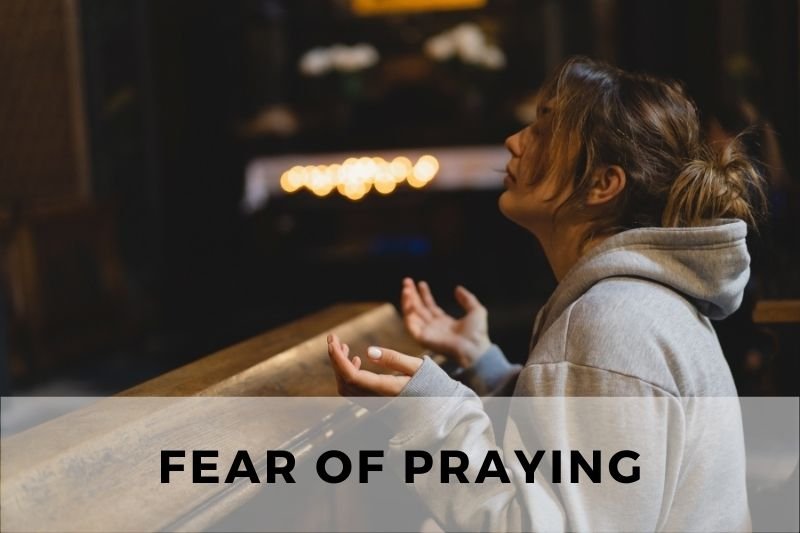
Fear of prayer can be overwhelming. It often stems from uncertainty or fear of judgment. Understanding this fear is the first step to overcoming it. Prayer is a personal and powerful tool for connection and growth.
This guide will offer practical steps to help you build confidence in your prayer life. From starting with simple prayers to creating a supportive environment, each step is designed to make prayer more accessible. Embrace these strategies to transform your approach to prayer and strengthen your faith.
How To Overcome the Fear of Prayer
#1. Understanding the Purpose of Prayer
Prayer is a way to communicate directly with God. It’s not about achieving perfection but about building a personal connection. Through prayer, you can express gratitude, seek guidance, and find solace in times of need. Recognizing that prayer is a tool for personal growth and spiritual enrichment can help alleviate anxiety. It’s important to understand that prayer is meant to open your heart and foster a deeper relationship with God, rather than to meet any external standards or impress others.
#2. Starting Small with Simple Prayers
Begin your prayer practice with short and straightforward prayers. You don’t need elaborate or lengthy prayers to start. Simply express your thoughts, needs, or feelings in a few sentences. The focus should be on sincerity rather than length or complexity. As you become more comfortable with this practice, you can gradually expand your prayers. Starting small helps build confidence and makes the practice more manageable, which can ease the fear associated with prayer.
#3. Creating a Safe and Comfortable Space
Choose a quiet and peaceful place where you feel at ease for your prayer time. This could be a specific corner of your room, a cozy chair, or even a spot in your garden. Making this space your own personal prayer area can help you feel more relaxed and focused. Consider personalizing it with items that bring you a sense of peace and comfort. A dedicated space can help you feel secure and less anxious, allowing you to concentrate better on your prayers.
#4. Practicing Regular Prayer Habits
Establishing a regular prayer routine can significantly reduce fear. Set aside a specific time each day dedicated to prayer. It doesn’t have to be lengthy; even a few minutes of consistent practice can make a difference. Over time, regular prayer will become a natural part of your daily life. The repetition helps build familiarity and reduces apprehension. With each passing day, you will likely find that prayer becomes easier and more integrated into your routine.
#5. Seeking Support and Encouragement
Don’t hesitate to seek support from trusted friends, family members, or a spiritual mentor. Sharing your fears and struggles can provide valuable encouragement and advice. Joining a prayer group or community can also be beneficial. Being part of a group can offer additional support and new perspectives. Knowing that others face similar challenges can be reassuring and can help diminish the fear of praying.
#6. Reflecting on Personal Experiences
Take time to reflect on your own experiences with prayer. Consider past moments when prayer provided comfort or clarity. Review how prayer has impacted your life positively. Reflecting on these personal experiences can reinforce the value of prayer and help you overcome fear. Understanding its benefits in your own life can build confidence and make the practice feel more meaningful.
#7. Using Prayer Resources and Guides
Utilize resources and guides to help structure your prayers. Books, apps, and online resources can provide valuable prompts and examples. These tools can offer guidance on how to start and maintain a prayer practice. Having structured resources can make prayer feel less daunting and more approachable. Use these aids to support your journey and build confidence in your prayer life.
#8. Embracing Imperfection in Prayer
Accept that prayer doesn’t have to be perfect. It’s normal to feel uncertain or awkward at times. Embrace these imperfections as part of the process. Understand that prayer is about genuine expression, not flawless execution. By letting go of the need for perfection, you can focus more on the connection and less on the form. This acceptance can help ease the fear and make prayer a more comfortable practice.
#9. Focusing on the Benefits of Prayer
Keep in mind the benefits that prayer brings to your life. Prayer can provide comfort, clarity, and a sense of peace. It helps strengthen your relationship with God and can be a source of strength during challenging times. Remind yourself of these positive outcomes regularly. Focusing on the benefits can motivate you to continue praying and help reduce any fear you may have.
#10. Building a Routine with Prayer Partners
Consider involving prayer partners in your practice. Establish a routine with friends or family members to pray together. This shared practice can provide mutual support and encouragement. Knowing that others are praying with you can make the experience less intimidating. Building a routine with prayer partners can offer accountability and make prayer a more enjoyable and less fearful experience.
Closing Thoughts
Overcoming the fear of prayer is a journey that requires patience and practice. By understanding the purpose of prayer, starting with simple steps, and creating a supportive environment, you can build confidence. Regular practice, seeking encouragement, and embracing imperfection will make prayer a more natural part of your life.
Reflect on the positive impacts of prayer and consider involving others to strengthen your routine. Remember, the goal is a sincere connection, not perfection. Embrace each step forward, and allow prayer to enrich your spiritual journey.