
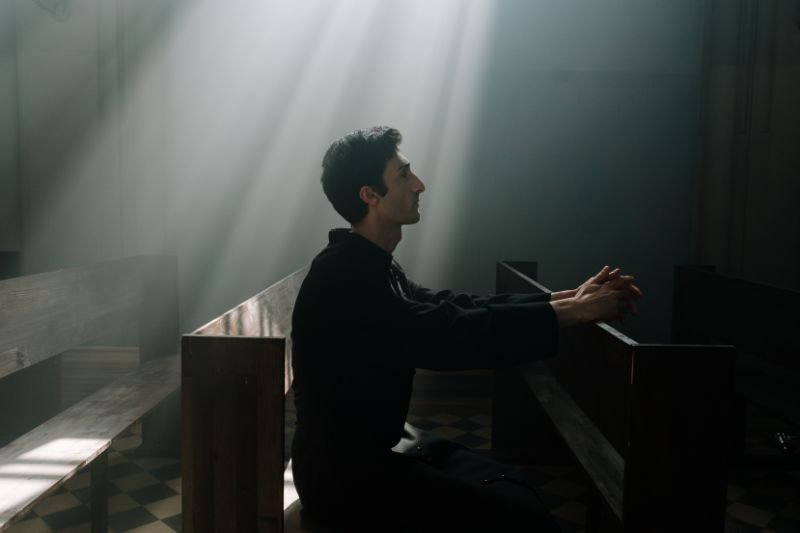
Praying alone is a simple but powerful practice. It allows individuals to connect with God without distractions. Many people find that praying alone helps deepen their spiritual life. It creates a quiet moment for personal reflection and honest conversation with God. This practice can improve focus, discipline, and peace of mind.
In this article, we will explore the key benefits of praying alone. Understanding these benefits can encourage more regular and meaningful prayer times. Whether new to prayer or experienced, learning about praying alone can strengthen faith and personal growth.
Defining Praying Alone
Praying alone means spending time in prayer without others present. It is a personal and private moment with God. This type of prayer focuses solely on the individual’s thoughts, feelings, and needs. Praying alone can happen anywhere — at home, outside, or any quiet place where distractions are minimal.
Unlike group prayer, which involves shared words and responses, praying alone allows full control over the prayer’s content, pace, and style. There is no set format or pressure to conform to others’ expectations.
Praying alone helps build a direct and personal relationship with God. It creates space for honest and uninterrupted communication. It also offers an opportunity to listen, reflect, and respond in a way that feels natural and meaningful. This personal connection often leads to deeper spiritual growth and understanding.
The Amazing Benefits of Praying Alone
#1. Deepens Personal Connection with God
Praying alone creates a private space to focus entirely on God. Without distractions, the heart can open fully. This focused time helps build trust and intimacy. It allows sharing of fears, hopes, and gratitude honestly. Over time, this practice strengthens the sense of God’s presence. It fosters a closer, more personal relationship. The connection grows naturally as prayer becomes a regular habit. Without others, there is freedom to explore thoughts and feelings deeply. This deepened bond helps in facing life’s challenges with faith and confidence.
#2. Provides a Safe Space for Honest Expression
Praying alone gives freedom to speak openly without fear of judgment. It allows expressing doubts, struggles, and emotions honestly. This safe space encourages vulnerability before God. There is no need to hide feelings or pretend. Honest prayer can lead to healing and clarity. It creates a place where personal struggles are welcomed and understood. This openness also helps identify areas needing growth or forgiveness. Over time, this safe space nurtures emotional and spiritual health. It builds courage to face difficult truths and grow in faith.
#3. Enhances Focus and Mindfulness
Praying alone minimizes external distractions. It helps the mind stay focused on the prayer itself. This focused attention leads to deeper mindfulness during prayer. Mindfulness means being fully present in the moment. It allows clearer listening to God’s guidance. Without interruptions, thoughts can settle, and the heart can calm. This state improves the quality of prayer. It also reduces stress and anxiety. Regular practice builds better concentration. Enhanced mindfulness during prayer can carry over to daily life, improving overall awareness and peace.
#4. Encourages Self-Discipline and Consistency
Praying alone requires personal commitment. Without a group setting, motivation must come from within. This builds self-discipline in maintaining regular prayer times. Consistency in prayer strengthens faith and spiritual growth. Over time, it becomes a daily habit. The practice trains the mind to prioritize spiritual life. Self-discipline learned through praying alone can influence other areas of life positively. It also encourages responsibility for one’s spiritual well-being. This independence is crucial for long-term faith development.
#5. Offers Flexibility and Convenience
Praying alone fits easily into any schedule. There is no need to coordinate with others. This flexibility allows prayer at any time and place. It can be brief or extended, depending on personal needs. Convenience makes it easier to maintain a consistent prayer habit. It also allows adapting prayers to current feelings or situations. This personalized approach increases prayer’s relevance and effectiveness. Flexibility supports a more natural and sustainable spiritual practice. It encourages turning to prayer throughout the day as needed.
#6. Promotes Inner Peace and Calmness
Praying alone creates quiet moments that soothe the mind and spirit. This quiet time helps release tension and stress. It invites calmness to replace anxiety and worry. Regular alone prayer builds a peaceful inner space. This peace strengthens resilience against life’s challenges. It also improves emotional balance and clarity. The calm gained through prayer supports better decision-making. Over time, it nurtures a steady sense of security rooted in faith. This inner peace is a vital benefit of praying alone.
#7. Allows for Personalized and Spontaneous Prayer
Praying alone gives freedom to pray in a way that feels natural. There is no need to follow set prayers or schedules. This allows spontaneous and heartfelt prayers. Personal needs and thoughts guide the prayer content. It can be structured or free-flowing. This personal approach increases sincerity and connection. It also makes prayer more meaningful and relevant. Spontaneous prayer helps express real-time emotions and concerns. This flexibility encourages deeper engagement and authenticity in communication with God.
#8. Helps Develop Spiritual Independence
Praying alone encourages taking responsibility for one’s spiritual life. It builds confidence in communicating directly with God. This independence reduces reliance on external validation or rituals. It strengthens the ability to seek God personally in all situations. Developing spiritual independence supports growth even when group support is unavailable. It empowers individuals to nurture faith privately. This self-reliance is important for facing doubts or challenges alone. Spiritual independence gained through prayer strengthens overall faith resilience.
#9. Supports Reflection and Self-Discovery
Praying alone provides time for deep reflection. It encourages examining thoughts, actions, and motivations honestly. This self-examination leads to greater self-awareness and growth. It helps identify strengths and areas for improvement. Prayer becomes a tool for personal insight and change. Reflection during prayer also clarifies life’s purpose and direction. It supports making decisions aligned with faith and values. This process of self-discovery enhances spiritual maturity and emotional health.
#10. Strengthens Faith Through Personal Commitment
Praying alone shows personal dedication to faith. It reflects a willingness to invest time and effort privately. This commitment builds stronger belief and trust in God. It proves faith is not dependent on external factors. Consistent personal prayer deepens understanding of spiritual truths. It also increases resilience in challenging times. Personal commitment through prayer strengthens the foundation of faith. It encourages living a faith-filled life guided by one’s relationship with God.
Conclusion
Praying alone offers many practical and spiritual benefits. It deepens the connection with God and creates a safe space for honest prayer. This practice improves focus, self-discipline, and inner peace. It allows flexibility and encourages personal growth. Praying alone builds spiritual independence and strengthens faith through commitment.
Regular private prayer helps discover deeper meaning and direction in life. Embracing the habit of praying alone can transform one’s spiritual journey. It supports a strong, personal relationship with God that lasts beyond group settings or routine rituals.