
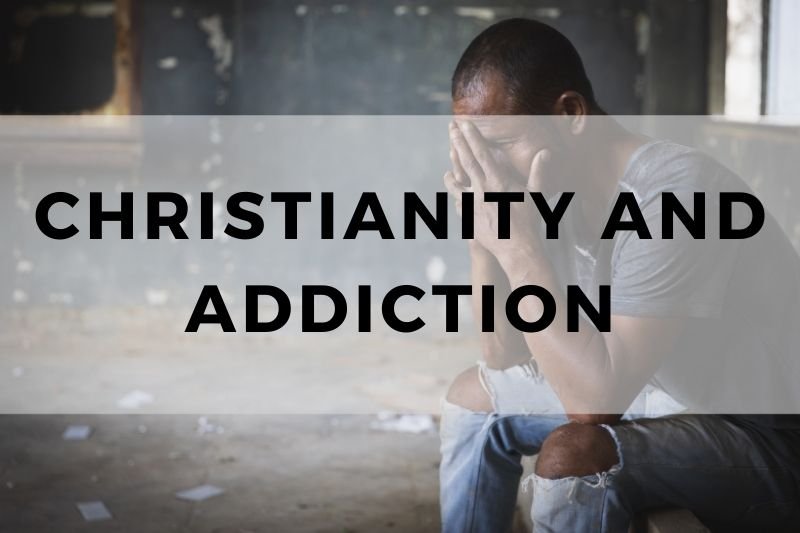
Addiction is a serious issue that affects millions. Many seek recovery through various methods, but faith-based approaches can offer unique support. Christianity provides a framework for healing that encompasses emotional, spiritual, and social aspects of recovery. By integrating faith into the healing process, individuals can find strength, hope, and purpose.
This article explores how Christianity can aid in overcoming addiction. We will discuss key elements that promote recovery, from faith-based support to community resources. Understanding these elements can empower individuals on their journey to healing and help them reclaim their lives.
Faith-Based Recovery: How Christianity Can Help Heal Addiction
#1. Faith-Based Support
Faith-based support is vital for recovery. It provides a foundation for individuals struggling with addiction. Churches and faith communities offer a network of understanding and encouragement. This support fosters a sense of belonging. People find strength in shared beliefs and experiences. Connecting with others who share similar struggles can be transformative. It reinforces the idea that they are not alone in their journey.
#2. Prayer and Meditation
Prayer and meditation are powerful tools for healing. They create a space for reflection and connection with God. Through prayer, individuals can express their fears and hopes. This act fosters a sense of peace and clarity. Meditation encourages mindfulness, helping people stay present. Both practices can reduce stress and anxiety, common triggers for relapse. Regular engagement in these activities can strengthen spiritual resilience.
#3. Biblical Guidance
The Bible offers timeless wisdom for those facing addiction. Scriptures provide guidance on overcoming struggles and finding strength. Verses can serve as reminders of God’s love and support. They encourage individuals to lean on their faith during difficult times. By studying biblical teachings, people can gain insights into their challenges. This knowledge can inspire them to pursue healthier choices.
#4. Accountability
Accountability is crucial in recovery. Faith communities can establish accountability partnerships. These partnerships promote honesty and openness. Individuals can share their struggles with trusted friends or mentors. This creates a safe environment for growth. When people know someone is watching, they are less likely to give in to temptation. Accountability helps maintain focus on recovery goals.
#5. Transformational Love
Transformational love is a core principle of Christianity. It emphasizes unconditional support and acceptance. This love can motivate individuals to change their lives. When people experience love from others, they feel valued and respected. This can encourage them to pursue healthier behaviors. Knowing they are loved fosters self-worth. It can lead to lasting change and healing from addiction.
#6. Community Resources
Community resources play a significant role in recovery. Many churches offer programs designed to support those struggling with addiction. These programs may include support groups, counseling, and educational workshops. They create an environment where individuals can share their experiences. Access to these resources helps people develop coping skills. It also connects them with professionals who understand addiction. Utilizing community resources can enhance the recovery process.
#7. Spiritual Growth
Spiritual growth is essential for long-term recovery. Engaging with faith can deepen one’s understanding of life and purpose. As individuals grow spiritually, they often develop a stronger sense of self. This growth can provide motivation to overcome addiction. Regular church attendance, prayer, and study can foster this development. The journey of spiritual growth can lead to improved emotional health. It encourages resilience against future challenges.
#8. Forgiveness and Grace
Forgiveness and grace are central to the Christian faith. They offer a pathway to healing from past mistakes. Understanding that everyone is flawed can ease feelings of guilt and shame. This acceptance can be liberating for those in recovery. It allows individuals to move forward without being weighed down by their past. Embracing grace helps foster a positive self-image. This is crucial for building a new, healthy life.
#9. Service to Others
Service to others is a powerful aspect of recovery. Helping those in need can shift focus away from personal struggles. It fosters a sense of purpose and connection. Engaging in community service can build self-esteem. Individuals often find joy in giving back. This service aligns with Christian teachings, emphasizing love and compassion. It reinforces the idea that they can make a difference in the lives of others.
#10. Hope and Resilience
Hope and resilience are vital for overcoming addiction. Christianity instills hope through faith in God’s plan. This belief can motivate individuals to keep pushing forward. Resilience is built through challenges. Each obstacle faced and overcome strengthens the spirit. Encouragement from faith communities further nurtures hope. When individuals believe in a brighter future, they are more likely to pursue recovery.
#11. Counseling and Therapy
Counseling and therapy are important components of recovery. Professional support can address underlying issues related to addiction. Many Christian counselors incorporate faith into their practices. This can help clients align their recovery with their beliefs. Therapy provides tools to manage triggers and emotions. It offers a safe space to explore personal challenges. Combining faith with professional guidance can lead to holistic healing.
Closing Thoughts
Faith-based recovery offers a comprehensive approach to overcoming addiction. By integrating spiritual principles with practical support, individuals can find healing and hope. The journey is not easy, but Christianity provides essential tools like community, prayer, and accountability.
Embracing these elements can foster resilience and promote lasting change. It is vital for those struggling with addiction to seek help within faith communities. Through God’s grace and the support of others, recovery is possible. A faith-filled life can lead to transformation and renewed purpose, guiding individuals toward a brighter future.