
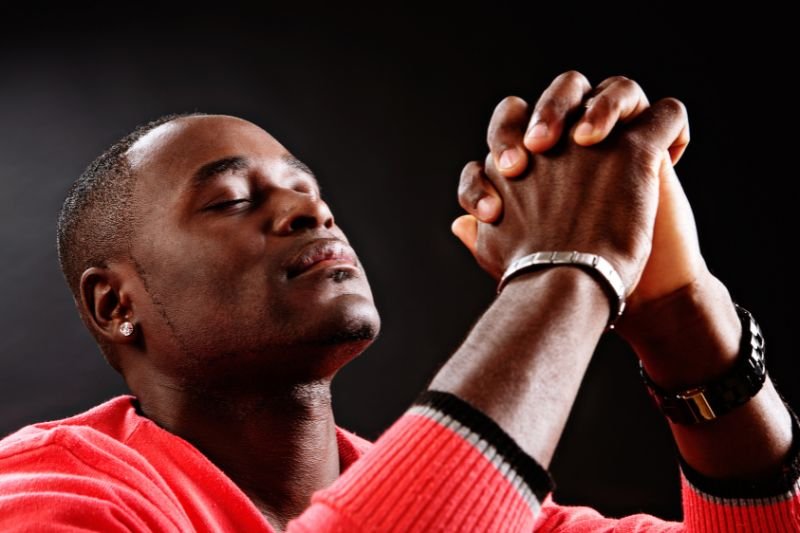
Intercessors are people who stand in the gap for others through prayer. They are spiritual warriors who lift up the needs of individuals, families, churches, and even nations. True intercession is not casual or occasional. It is consistent, focused, and led by the Spirit of God.
Being an intercessor requires more than good intentions. It demands a strong spiritual foundation and specific qualities that make prayer effective. In this article, we will look at eight essential traits that define a true prayer warrior. Each one helps intercessors pray with power, purpose, and lasting impact.
8 Powerful Qualities of an Effective Intercessor
#1. Deep Compassion for Others
Intercessors are not emotionally distant. They are tender-hearted and open to the pain of others. Their prayers are shaped by real concern, not by obligation. When someone is hurting, they don’t just say a quick prayer and move on. They take that burden seriously and bring it before God with sincerity and passion. This compassion mirrors the heart of Christ, who was moved by the suffering of others.
When someone in their church family loses a job, a true intercessor doesn’t just say, “That’s sad.” They might feel led to pray daily for that person, asking God to provide, give peace, and open new doors. Their concern turns into sustained, heartfelt intercession.
#2. A Lifestyle of Prayer
Being an intercessor is not about occasional moments of prayer—it is a committed lifestyle. These individuals schedule their lives around time with God. Prayer is not something they squeeze in; it is something they prioritize. Their hearts are always open to conversation with God. Whether it’s quiet time early in the morning or short prayers throughout the day, intercessors stay spiritually alert and connected.
Daniel in the Old Testament maintained a pattern of prayer three times a day, even when it put his life at risk. In the same way, a modern intercessor might wake early each day to pray for their church, community, and world, regardless of how busy or tired they are.
#3. Sensitivity to the Holy Spirit
An intercessor must be spiritually sensitive, able to discern the promptings of the Holy Spirit. They don’t rely solely on prayer requests or visible needs. They listen inwardly. Sometimes the Spirit leads them to pray for someone they haven’t thought about in months. Other times, they may be nudged to pray for a specific situation without knowing the details. This kind of responsiveness allows God to use them in strategic moments.
An intercessor may feel a sudden burden to pray for a missionary overseas. Without knowing anything specific, they stop and begin to pray. Later, they learn that at the exact time they were praying, the missionary was facing a dangerous situation. This sensitivity is a mark of Spirit-led intercession.
#4. Strong Faith in God’s Power
Intercessors don’t rely on what they see. They pray in faith, knowing that God hears and responds. They believe in His ability to do what seems impossible. Their faith is steady, not shaken by delay or difficulty. This kind of faith gives strength to their prayers, even when circumstances suggest there’s no hope. They pray because they trust the character and power of God.
If a friend is battling cancer, an intercessor doesn’t just pray for comfort. They boldly ask for healing, knowing that God is able. Like the centurion in Matthew 8 who trusted Jesus to heal with just a word, the intercessor believes that nothing is beyond God’s reach.
#5. Perseverance in Prayer
Not all prayers are answered quickly. Intercessors are willing to stay in the fight for as long as it takes. They don’t grow weary when they don’t see results right away. They remain committed, often returning to the same request day after day, year after year. This consistency is not stubbornness—it’s faith in action. They believe God’s timing is perfect, and they trust Him to respond when the time is right.
A grandmother may pray daily for her grandson to come back to Christ after walking away from the faith. She doesn’t stop after a few weeks. Years may pass, but her prayers continue. Like Elijah who prayed seven times before rain came, intercessors persevere until breakthrough comes.
#6. A Life of Holiness and Obedience
Intercessors take their walk with God seriously. They know that unconfessed sin can hinder their prayers. That’s why they examine their hearts regularly and seek to live in obedience. They aren’t perfect, but they strive for purity and alignment with God’s Word. Their lifestyle reflects a desire to please God in both private and public life.
If an intercessor is harboring bitterness or engaging in gossip, their prayers lose power. But someone who repents quickly and lives in obedience—like Anna the prophetess who worshipped day and night—can pray with a clean heart and spiritual authority.
#7. Selflessness and Humility
Intercessors are not looking for recognition. They pray behind the scenes and are content to let God get the glory. Their prayers are focused on others, not themselves. They don’t need attention or credit. Their humility opens the door for God to use them freely, because they’re not trying to take His place.
In a church setting, many people may notice the worship leader or the preacher. But few see the woman who arrives early every Sunday to pray over the sanctuary. She doesn’t post about it or expect thanks. She simply wants God to move—and that’s enough for her.
#8. A Knowledge of God’s Word
Scripture is the foundation for powerful intercession. Intercessors who know the Bible can pray with clarity, authority, and accuracy. They use God’s promises to shape their prayers and to declare truth over situations. When they speak God’s Word in prayer, they are agreeing with heaven.
Instead of saying, “Help my friend feel better,” an intercessor might say, “Lord, You are the God who heals. I stand on Psalm 103:3, which says You heal all our diseases. Bring healing now, according to Your Word.” Praying Scripture adds weight and purpose to every word spoken in faith.
Conclusion
Intercessors play a vital role in the life of the Church and the spiritual health of others. They are not defined by public recognition but by private faithfulness. The qualities listed above are not reserved for a select few. They can be developed by anyone who desires to pray effectively and stand in the gap for others.
True intercession requires commitment, maturity, and a heart fully surrendered to God. When these traits are present, prayer becomes powerful and purposeful. Every believer can grow as an intercessor and become a vessel God uses to bring change, healing, and hope through prayer.